
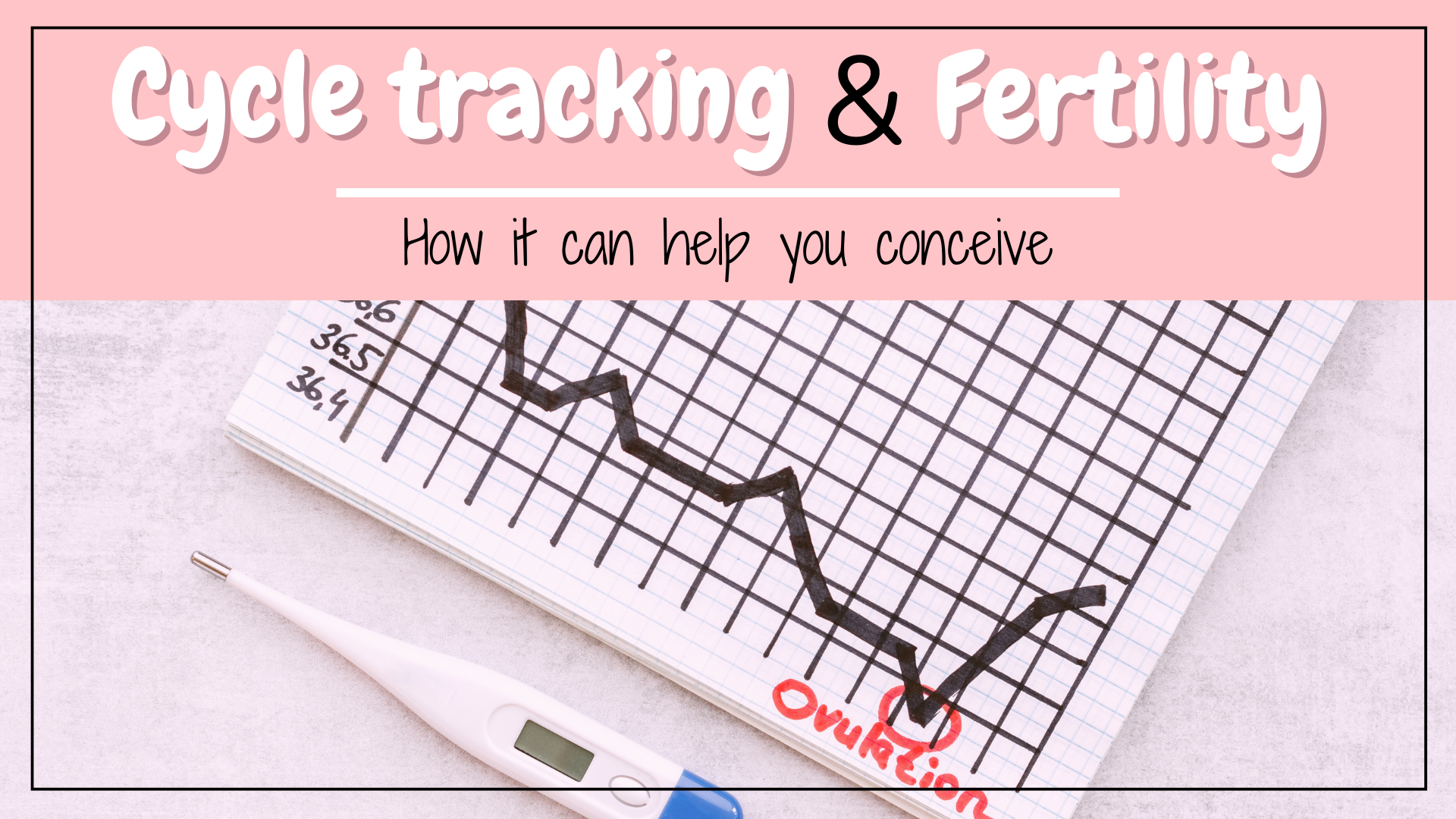
Our reproductive health relies on a delicate balance of hormones, with our bodies functioning optimally and harmoniously. Imagine having the ability to analyze what’s happening in your body each month. That’s where cycle tracking comes in—it offers a keyhole view into the workings of our hormones and overall health. By learning to speak the language of our bodies through cycle tracking, we can gain valuable insights into our reproductive cycles.
Cycle tracking can help you with:
- Determining if you’ve ovulated
- Identifying your fertile window
- Spotting potential luteal phase defects
- Recognizing thyroid dysfunction
- Suspecting PCOS
- Confirming pregnancy, and
- Accurately identifying cycle phases
All of these aspects are beneficial if you are trying to get pregnant, but cycle tracking can also be used to avoid pregnancy or to gain a better understanding of your overall health and wellness. The best part is you can access this information month after month, all from the comfort of your home, and it’s relatively inexpensive to do.
Methods of Tracking Your Cycle
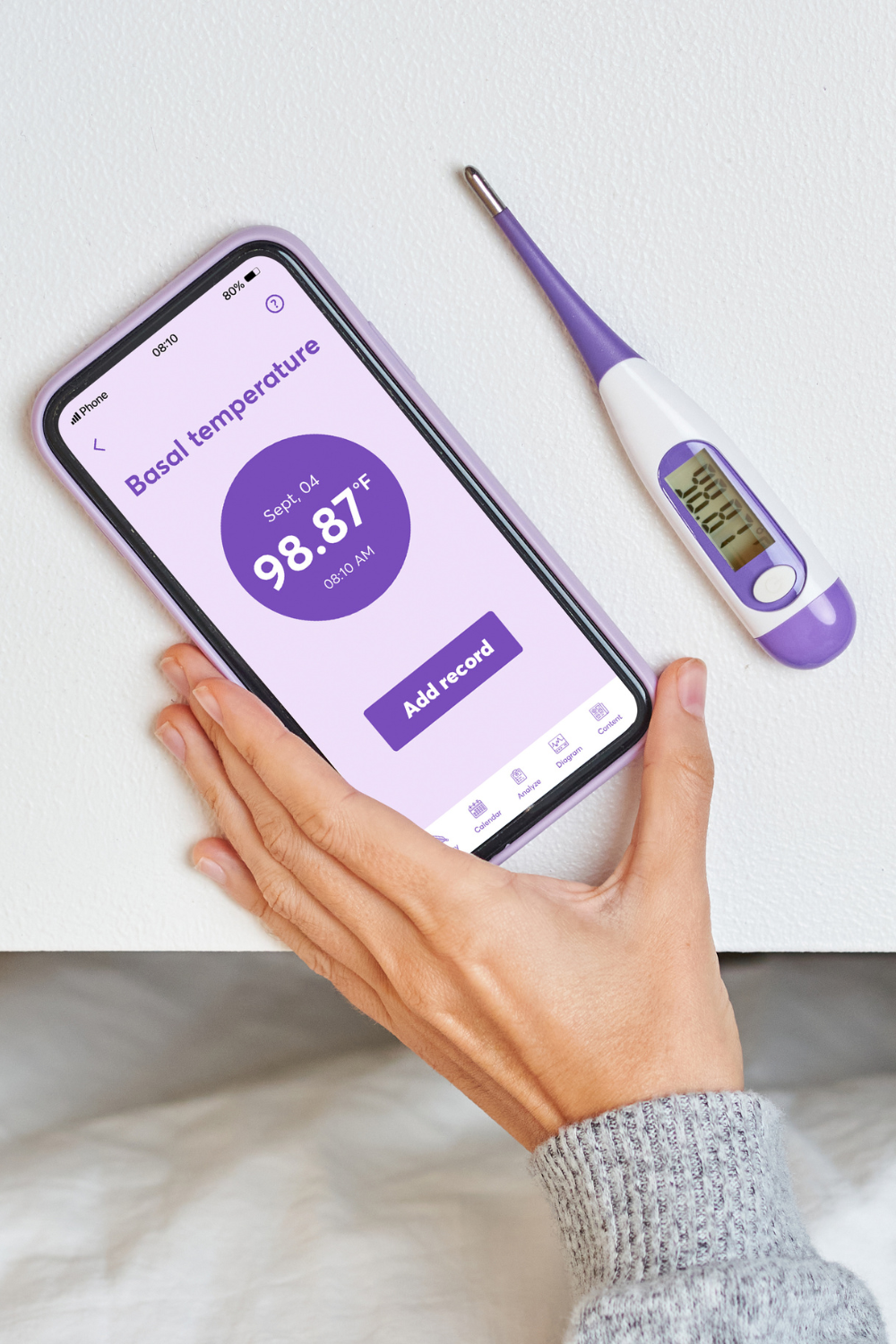
When it comes to cycle tracking, there are several methods you can choose from. Here’s a quick overview:
1. Basal Body Temperature (BBT):
This method involves taking your temperature every morning before you get out of bed, either with a digital thermometer or a wearable device. Shifts in BBT are under hormonal control, so you can deduce what is going on in your body by noting these subtle temperature changes.
Pros: It’s simple and straightforward to do, and it is relatively non-invasive.
Cons: It needs to be done at the same time every day before getting out of bed, and certain things like a cold or drinking alcohol can influence the readings.
2. Cervical Mucus Tracking:
This might come as a surprise to you, but a woman is not fertile every day. In fact, she is only fertile for around six days each cycle, known as the fertile window. Cervical mucus (a fluid secreted by the cervix) changes throughout the cycle, from a thick and sticky consistency that is usually white to a clear fluid that is runny and stretchy when she is approaching ovulation.
By observing these changes, you can accurately time when to have intercourse if your goal is to get pregnant.
Pros: It doesn’t require special equipment.
Cons: It can be affected by dehydration or allergy medications, and it may take some time to learn what to look for.
3. Sympto-thermal Method:
This method combines tracking BBT and cervical mucus along with additional symptoms like cervical position (high vs low) and feeling (hard vs soft, open vs closed), and any other symptoms associated with your cycle such as bloating, mid-cycle spotting, headaches, breast tenderness, food cravings and mood-swings.
Pros: It’s comprehensive and offers a detailed picture of your cycle.
Cons: It requires diligence and tracking of multiple factors. You’ll need a thermometer and somewhere to record your daily symptoms. A paper chart or spreadsheet is a cheap option and works fairly well but there are also tracking apps that can store all of this information on a device.
Whichever method you choose, it’s important to give it a try for at least three months to become familiar with it. Once you are more confident at tracking your cycle, you will be able to notice trends that can give you personalised information on what is happening in your body
What tracking your cycle can show you:
1. It can show you if you have ovulated or not
Ovulation is the star of the show when it comes to getting pregnant. A pregnancy cannot occur if there has been no ovulation, as there will be no egg available to fertilize. It’s not a disaster to have an anovulatory cycle (a cycle where no ovulation occurred) once in a blue moon, but if you are having regular anovulatory cycles, that will significantly stifle your chances of getting pregnant. Investigations should be conducted to find out what is causing the lack of ovulation. Cycle tracking, while it cannot confirm 100% that you have ovulated, can give you a pretty good idea. This will be indicated by the absence of fertile cervical mucus (no clear, runny, and stretchy mucus) and no rise in BBT throughout the cycle.
2. It can help you identify your fertile window:
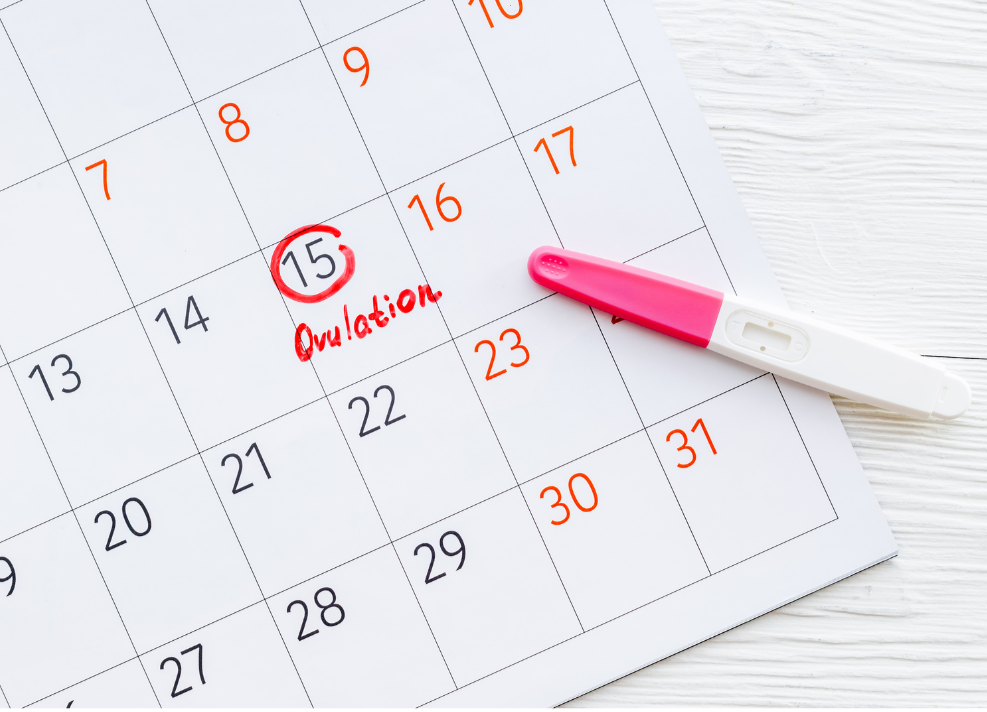
Knowing when you are going to ovulate is absolutely paramount for timing intercourse. Once an egg is ovulated, it only remains viable for a few hours. During that time, it needs to come into contact with sperm to get fertilized and create an embryo. If you do not know when you are going to ovulate, you won’t know when to time intercourse correctly to ensure that sperm is present and ready when the egg is released. By observing changes in your cervical mucus from the non-fertile to the fertile type, you can anticipate that ovulation is approaching and should have regular sex if pregnancy is the goal.
3. It can help you spot luteal phase defects
Your luteal phase is the time between ovulation and the start of your period. This phase is characterized by the secretion of progesterone to maintain the uterine lining in case an egg is fertilized. A luteal phase defect means that there is not enough progesterone being secreted, resulting in the endometrium sloughing off earlier than expected, which hinders implantation of an embryo as it will have no lining to implant into. A luteal phase that is only around ten days long indicates a luteal phase defect.
4. It can help you spot possible thyroid dysfunction
A well-functioning thyroid is essential for fertility. It is responsible for growth, metabolism, and ovulation. Tracking your BBT can help you spot irregularities that might suggest thyroid problems. For example, a consistently high or low BBT could indicate an underlying issue that warrants further investigation.
5. It can give you an indication that you might have PCOs
PCOS is the leading cause of female-factor infertility and is characterized by multiple hormone imbalances. Cycle irregularities, such as very long cycles (35+ days), missed periods, or multiple streaks of fertile cervical mucus, can point to this condition. By tracking your cycles, you can gather data to share with your doctor, which can be beneficial in getting the support you need to conceive.

6. It can help you accurately time phase-specific tests, medications and therapies
The menstrual cycle has four distinct phases, each with its own unique characteristics. For instance, during the ovulatory phase, an egg is released, making it the only time in the cycle when sperm can meet an egg—a crucial step for conception. In the luteal phase, the corpus luteum forms, releasing progesterone, a hormone not present in the follicular phase. Testing for progesterone in the follicular phase would yield inaccurate results, and taking ovulation-inducing medication after ovulation has occurred would be ineffective. Understanding where you are in your cycle allows you to accurately time phase-specific tests and treatments, which can make a real difference on your path to pregnancy.
Conclusion:
Cycle tracking offers a wealth of information that can help you understand your reproductive health better. It’s a simple, cost-effective way to stay informed about your body. I strongly urge all women who want to get pregnant to learn how to track their cycles.
If you want a more in-depth guide to cycle tracking, click here to join my mailing list and receive a free copy of my cycle tracking basics ebook!
